Notification of Karenia mikimotoi and Karenia mikimotoi blooms; Diarrhetic Shellfish Toxin Events in Southwest and Southeast
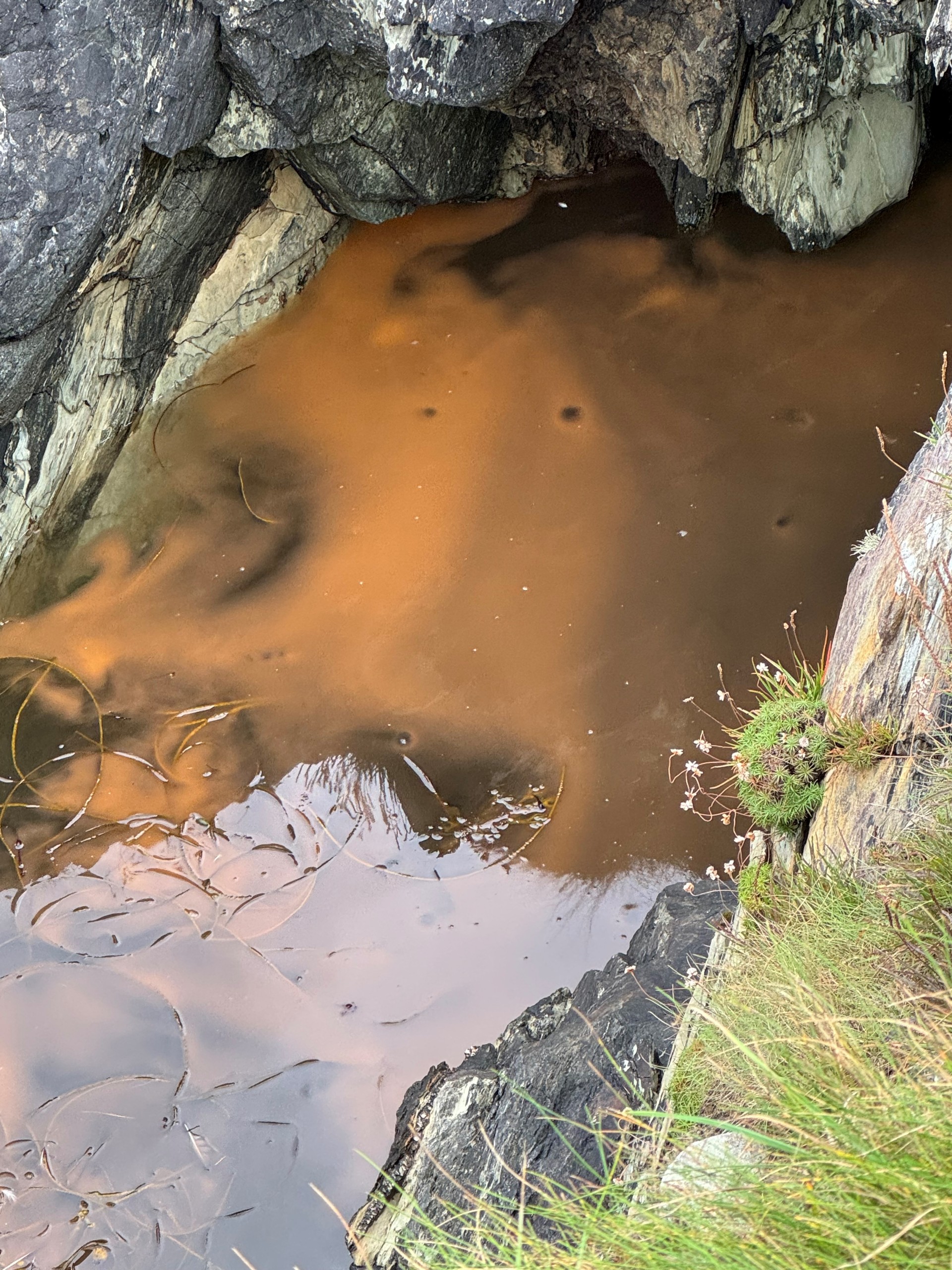
Noctiluca scintillans bloom event – Southwest Coast
Updated 01-09-26
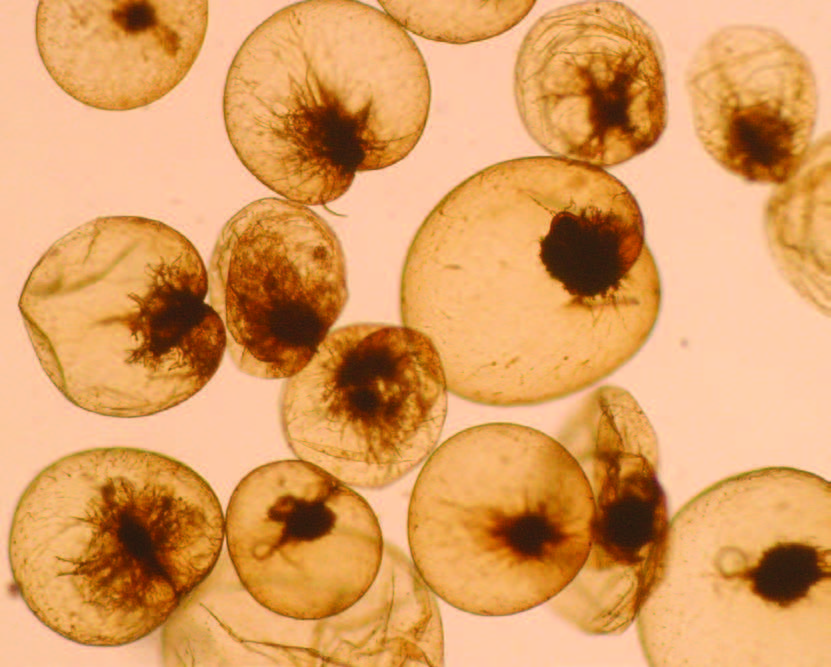
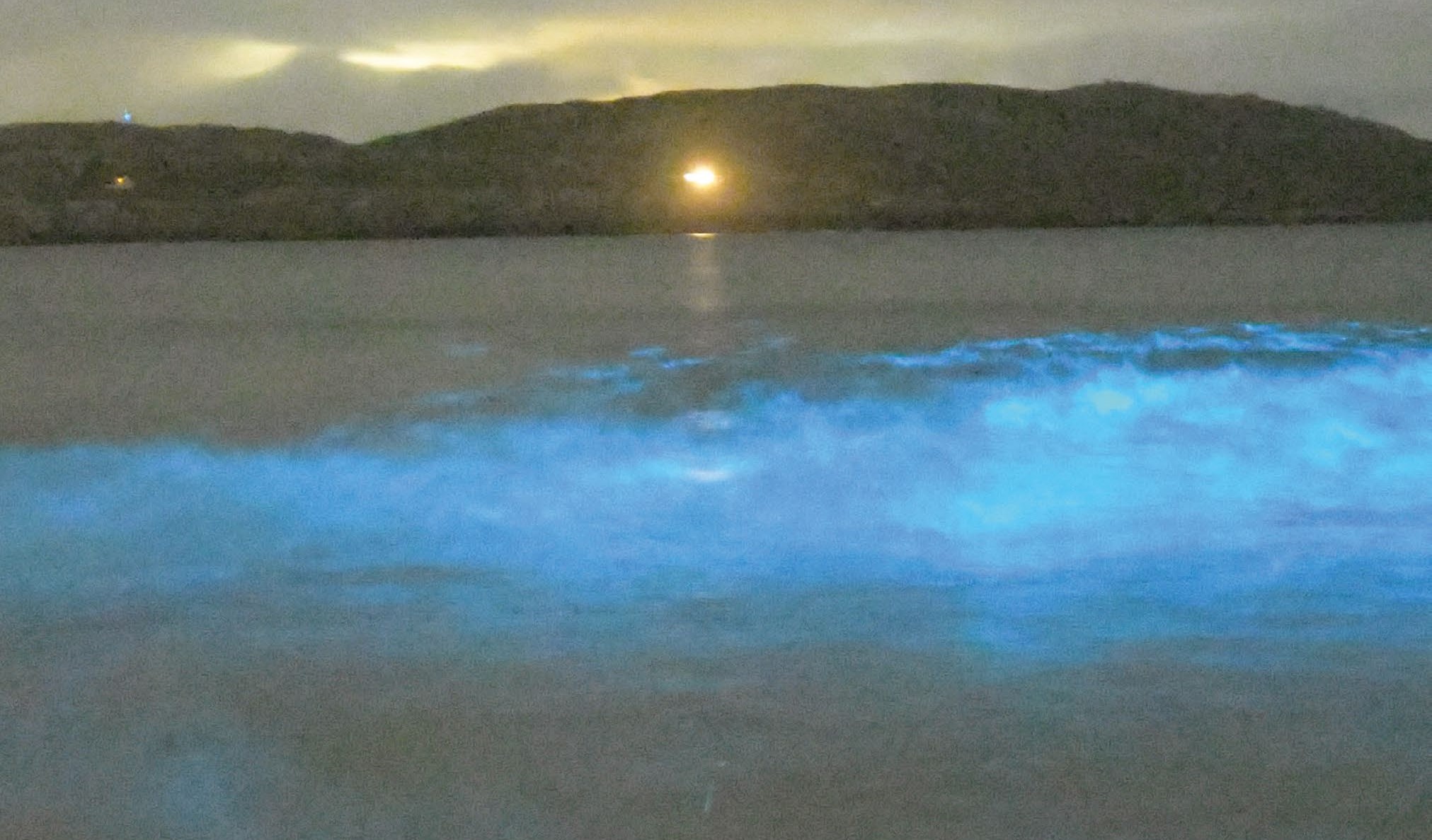
Please note cell densities of the bloom forming dinoflagellate Noctiluca scintillans have been observed to be present at low cell densities in multiple inshore locations in the Southwest(Bantry & Kenmare) and South coast (Kinsale) last week (w/c 24-08-26) in samples submitted for the Phytoplankton National Monitoring Program.
While this species is non-toxic, it may cause mortalities among marine organisms, particularly as the bloom decays and depletes oxygen in the water column. It may also cause an unpleasant smell as the bloom breaks down due to the release of ammonia.
It is a naturally occurring bloom which happens annually around the coast of Ireland along South and Southwest coasts, and historically has also been observed off western coasts.
Please report any mortalities and seawater discolouration’s to HABS Team Marine Institute (habs@marine.ie)
Karenia mikimotoi declining bloom event – Southwest Coast
Updated 01-09-26
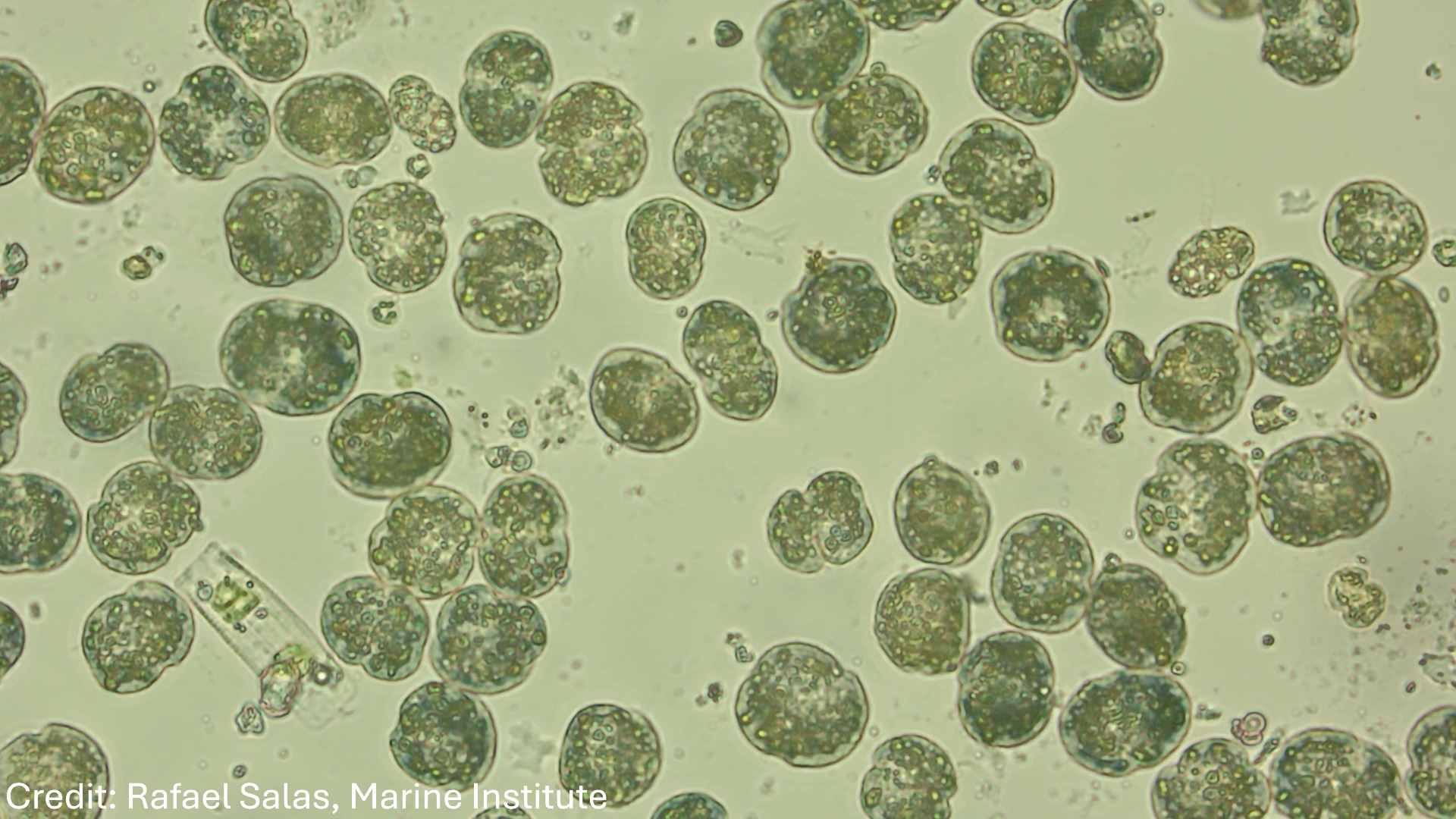
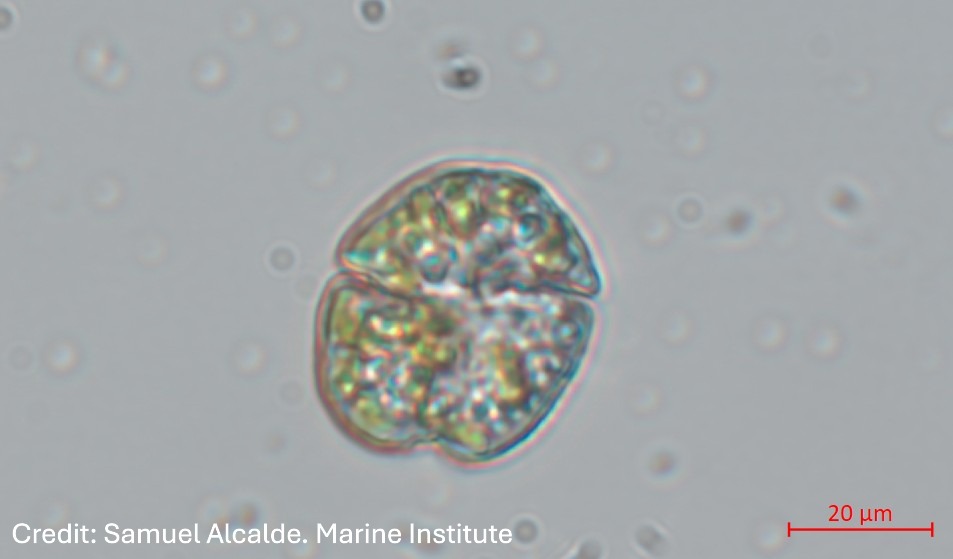
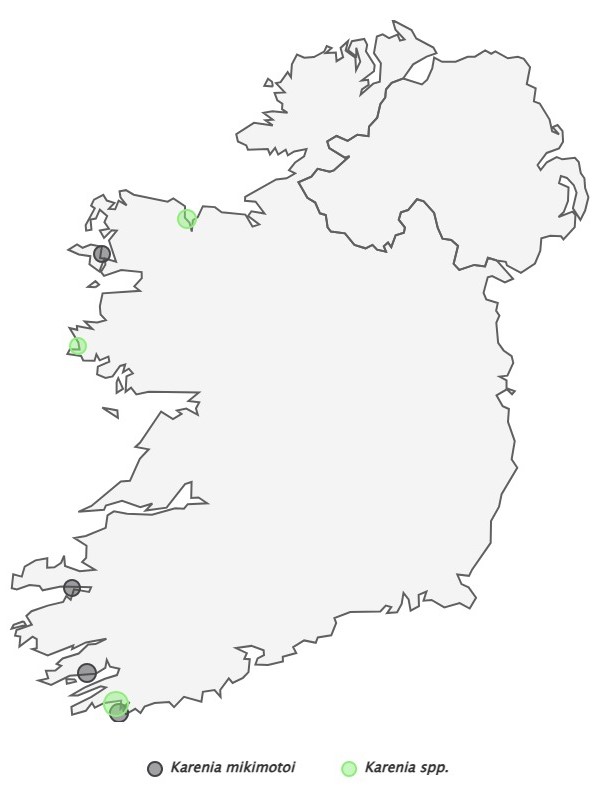
Analysis of water samples submitted through Phytoplankton National Monitoring and BIM Southwest Mussel Larvae programmes, have revealed cell densities of the bloom forming dinoflagellate Karenia mikimotoi have been significantlydecreasing in multiple inshore locations along the Southwest and West Southwest over the last 3 weeks. However, low to moderate persistent cell densities are still being observed in Roaringwater Bay (>800,000 cells/l) and Kinsale (>20,000 cells/l). the Phytoplankton National Monitoring Program and BIM Southwest Mussel Larvae programme. There have been no observations of water discolouration or mortalities reported during the last two to three weeks.
Very low cell densities have been reported in along West coast (Achill, Killala and Mannin) in samples submitted this week (24-08-26).
Please beware previous Karenia mikimotoi blooms in Ireland have also been associated with mortalities of marine organisms including flatfish, benthic invertebrates, as well as farmed shellfish and finfish. It is thought that these mortalities are as a result of depleted or low oxygen levels that can occur when the bloom begins to decay.
Please report any mortalities and seawater discolouration’s to HABS Team Marine Institute (habs@marine.ie)
Diarrhetic Shellfish Toxin Event – Offshore Southeast Coast
Updated 01-09-26
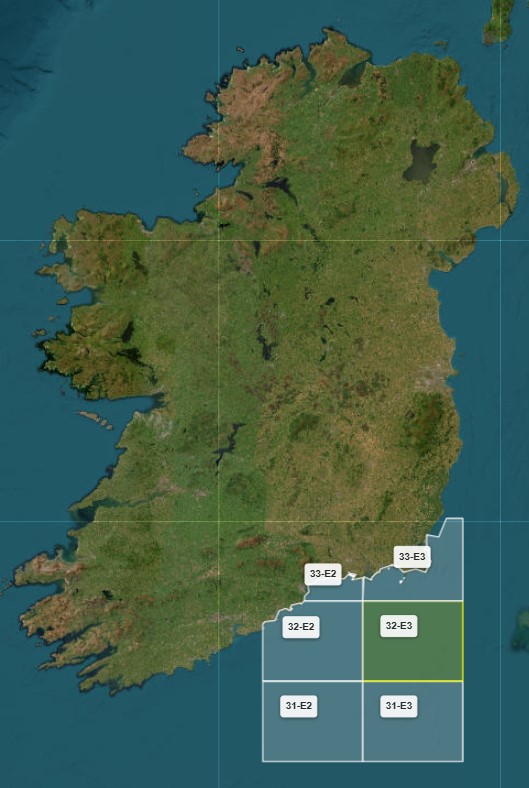
Please note quantifiable levels of Diarrhetic Shellfish Toxin (DST)have been detected in whole tissues of king scallops in non-classified offshore harvesting grounds of the Southeast coast since w/c 06-08-26. Samples analysed to date during last week (24-08-26) are observed to be similar concentrations to the previous week for ICES rectangle areas in the Southeast and below the required toxin limits for DSTs in whole scallops.
To date during this DST event affecting Scallops in the Southeast no quantifiable DST concentrations in samples analysed since beginning of Aug have been observed in the marketed Gonad and Adductor muscle tissues.
Affected harvesting grounds are ICES Rectangles: 32E2 Mine Head, 32E3 Saltees and 31E2 South of Minehead, with DST concentrations ranging from 0.09 µg/g to 0.30 µg/g.
Diarhettic Shellfish Toxin Event – Southwest Coast - Castlemaine, Kenmare, Bantry.
Updated 01-09-26
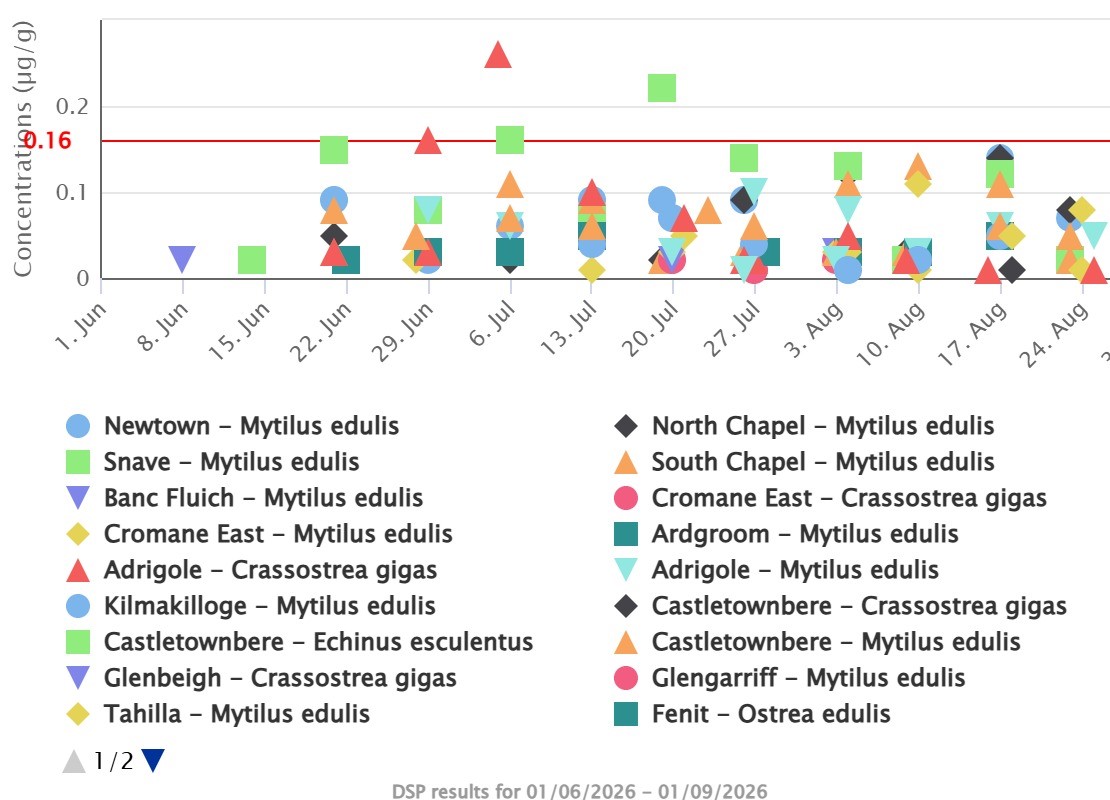
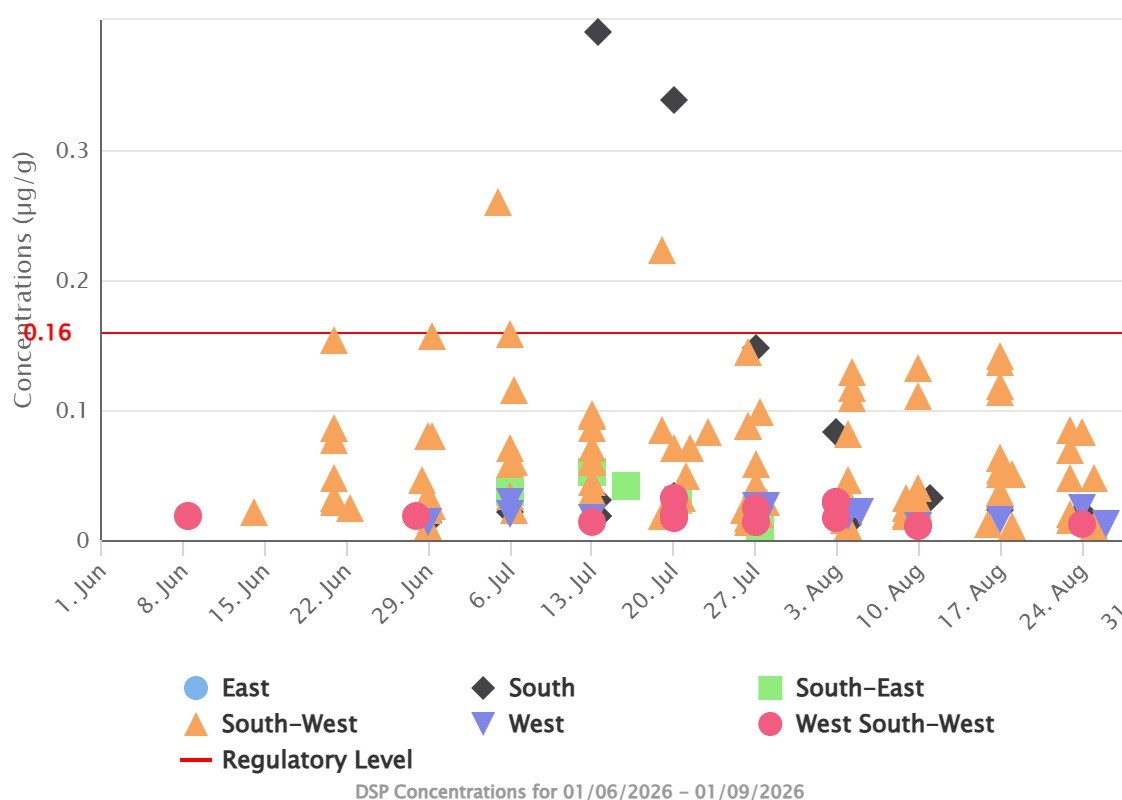
Low quantifiable concentrations of Diarrhetic Shellfish Toxin (DST’s) concentrations have been observed in a number of mussel sites in various production areas in Kenmare, Bantry, and Castlemaine, well below the regulatory limit (0.16µg/g) during last week (w/c 24-08-26). Over the last two weeks, DST concentrations have been observed to be decreasing in all sites in Southwest.
However, please note there maybe potential variability of DST concentrations within shellfish from these areas.
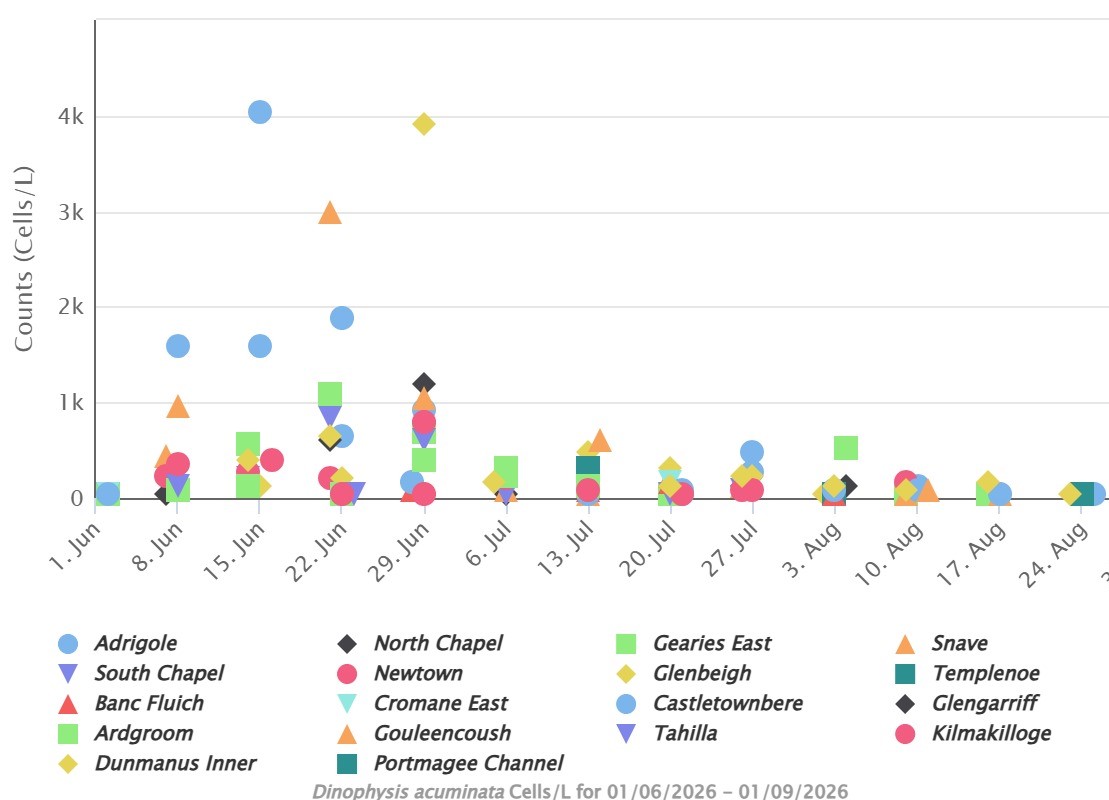
During last week (w/c 24-08-26) cell densities of the causative toxin producing phytoplankton species Dinophysis acuminata has decreased in multiple sites within the Southwest and West Southwest. Additionally over the last two weeks, there has been no occurrence of Dinophysis acuta observed in samples submitted.